
Top Waterproofing Products for Reliable Moisture Protection
Explore the leading waterproofing solutions designed to safeguard structures from water damage and ensure long-lasting durability.
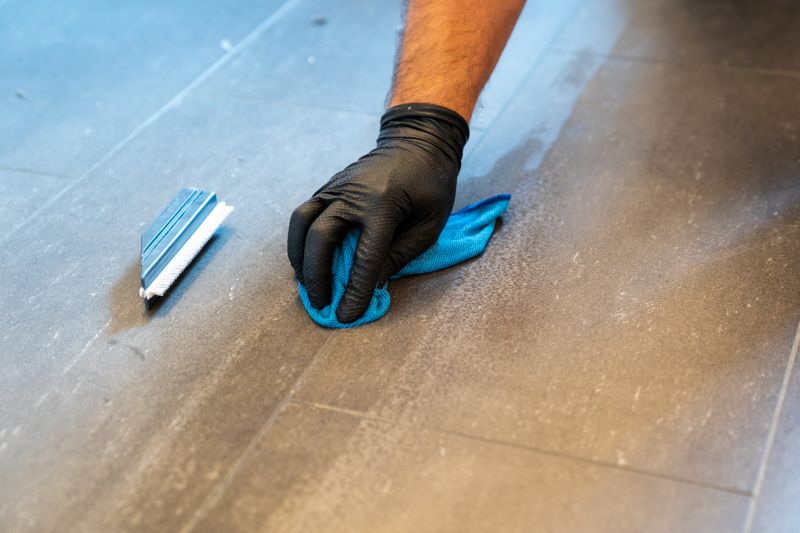 Waterproofing products are essential solutions for protecting structures, foundations, and surfaces from water intrusion and damage. They come in various forms, each suited to different applications and environments. Whether sealing a basement, waterproofing a roof, or safeguarding outdoor surfaces, selecting the appropriate product can significantly extend the lifespan of a structure. Understanding the different types of waterproofing materials and their specific uses helps ensure effective and durable protection.
Top Overall Option
Flexible Liquid Waterproofing Membrane
A versatile and user-friendly liquid membrane that forms a seamless, elastic barrier against water intrusion. Suitable for various surfaces including roofs, foundations, and balconies, it provides flexibility to accommodate movement and minor cracking. Its ease of application and durable finish make it a reliable choice for many waterproofing projects.
Types of Products For Waterproofings
Liquid Waterproofing Membranes
Applied as a liquid coating that cures to form a continuous, seamless barrier, ideal for complex surfaces and irregular shapes.
Sheet Membranes
Preformed sheets made of rubber, asphalt, or other materials that are mechanically fastened or adhered to surfaces for waterproofing large flat areas.
Bituminous Coatings
Asphalt-based coatings that provide a durable, waterproof layer, often used for foundations and below-grade applications.
Polyurethane Coatings
High-performance coatings that offer excellent elasticity and adhesion, suitable for roofs and decks.
Cementitious Waterproof Coatings
Waterproof cement-based coatings that are easy to apply and bond well with concrete surfaces, often used in basements and tunnels.
Sealants and Caulks
Flexible sealants designed to fill small cracks and joints, preventing water ingress and maintaining structural integrity.
Vapor Barriers
Materials that prevent moisture vapor from passing through walls and floors, protecting insulation and internal structures.
Crack Fillers
Specialized products for sealing and bridging cracks in concrete or masonry surfaces to prevent water penetration.
Waterproofing Paints
Paint-based coatings that add a waterproof layer to walls and surfaces, often used for decorative purposes as well.
Hydrophobic Sealants
Sealants that repel water and prevent absorption, ideal for outdoor surfaces and porous materials.
Spray-On Waterproofing
Aerosol or pump spray products that provide quick and easy waterproofing for various surfaces, including fabrics and outdoor furniture.
Concrete Waterproofing Additives
Chemical admixtures added to concrete mixes to enhance water resistance during curing and long-term use.
Popular Choices
Widely used for their ease of application and seamless coverage, suitable for various surfaces and conditions.
Commonly chosen for foundational and below-grade waterproofing due to their durability and proven performance.
Favored for their elasticity and adhesion, especially in roofing and deck applications.
Popular for large flat surfaces like roofs and basements, offering a straightforward installation process.
Essential for sealing joints, cracks, and small gaps to prevent water infiltration.
Chosen for their compatibility with concrete and masonry, providing reliable waterproofing in structural applications.
Effective in preventing moisture vapor transmission, often used in basements and crawl spaces.
Popular for addressing minor cracks and preventing water seepage in concrete and masonry surfaces.
Convenient for surface sealing and added protection on walls and exterior surfaces.
Used to repel water on porous surfaces, enhancing durability and appearance.
Provides quick coverage for outdoor fabrics, furniture, and other surfaces requiring waterproofing.
Many waterproofing products are formulated to provide a flexible, long-lasting barrier against water penetration. They can be applied as liquids, membranes, coatings, or sealants, depending on the needs of the project. For example, liquid membranes are often used for complex shapes and irregular surfaces, while sheet membranes are favored for their ease of installation on large flat areas. Proper surface preparation and application are critical to achieving optimal results.
In addition to traditional waterproofing solutions, there are specialized products designed for specific challenges such as crack bridging, vapor barriers, or UV resistance. Choosing the right product involves considering factors like the type of surface, exposure conditions, and the level of water pressure expected. Regular maintenance and inspections can also help prolong the effectiveness of waterproofing systems, preventing costly repairs in the future.
When selecting waterproofing products, it is important to consider compatibility with existing materials, ease of application, drying and curing times, and the longevity of the protection offered. Consulting with professionals or thoroughly researching product specifications can aid in making informed decisions that suit both your project requirements and budget. Properly applied waterproofing solutions contribute significantly to the durability and safety of your property in Saint Peters, MO, and beyond.
Key Buying Considerations
- Identify the surface material and choose a compatible waterproofing product.
- Determine the level of water exposure and pressure the product needs to withstand.
- Consider the application method and whether the product is suitable for DIY or professional use.
- Evaluate the drying and curing times to fit your project schedule.
- Check for flexibility and elasticity, especially for surfaces prone to movement or cracking.
- Assess the longevity and durability of the waterproofing solution based on your environment.
- Review surface preparation requirements to ensure proper adhesion and effectiveness.
- Consider whether the product provides a seamless barrier or requires multiple coats.
- Look into the product’s resistance to UV rays if exposed to sunlight.
- Factor in ease of maintenance and future inspections or touch-ups.
- Understand the environmental conditions, such as temperature variations, that might affect product performance.
- Review safety instructions and handling procedures for the waterproofing materials.
- Compare costs and coverage area to determine the most economical option.
- Check for compatibility with existing waterproofing systems or materials.
- Consult with professionals if unsure about the best product for your specific project.